

The quick answer
- How it protects belongings: A dehumidifier removes excess moisture from the air. When the air is less humid, fabrics, paper and stored items are less likely to absorb damp, so wardrobes and cupboards stay fresh and storage remains dry. See why humidity matters.
- 5 key benefits: Fresher wardrobes, protects books and photos from curling, keeps soft furnishings fresh, safeguards seasonal storage, and provides a safer environment for hobby gear and electronics. See the 5 benefits.
- Simple routine: Place it in the room with storage, shut windows while running, give it good airflow and let wardrobe doors open occasionally. See simple setup.

If you’ve ever opened a wardrobe and noticed a musty smell, found books with slightly wavy pages, or felt fabrics that never quite dry, there’s a good chance humidity is playing a quiet role. A dehumidifier doesn’t have to be a “problem-only” purchase. It can be a simple, everyday way to help your home feel fresher and to support the things you own (and love) staying in better condition for longer.
1Why humidity affects clothes, books and storage
Moisture doesn’t only come from “damp houses”. It’s created by normal life: showers, cooking, breathing, drying laundry indoors and it can build up in rooms with less airflow.
That moisture sits in the air as water vapour. Soft materials (like clothing and upholstery) and porous materials (like paper and cardboard) can absorb it over time, especially in enclosed spaces like wardrobes, under-stairs cupboards and spare rooms.
Signs your belongings are feeling humidity:
- Wardrobes or drawers that smell a bit musty
- Clothes that feel slightly ‘cool’ or never fully fresh
- Shoes, bags or leather items that pick up a stale smell
- Books, magazines or paperwork with slightly curled or wavy pages
- Cardboard storage boxes that soften or feel damp to the touch
- Spare rooms that feel ‘heavy’ after being closed up
If any of these sound familiar, a dehumidifier can help keep humidity balanced—so storage feels drier, fabrics feel fresher, and the things you own feel better kept.
25 key ways a dehumidifier protects your belongings
1. Fresher wardrobes and better-feeling clothes
Wardrobes are perfect places for humidity to linger: closed doors, packed fabrics, limited airflow. A dehumidifier helps by lowering the moisture level in the room, supporting fresher-feeling clothes, fewer stale odours, and fabrics that stay in prime condition.
2. Protecting books, documents and photos
Paper is absorbent. In higher humidity, pages can curl, feel wavy, or stick slightly, especially in spare rooms, basements, and storage spaces. Balanced air creates a safer environment for books, important paperwork, photo albums and keepsakes.
3. Supporting soft furnishings
Cushions, throws, rugs, spare bedding and sofa fabrics hold onto moisture and odours. Lower humidity prevents that stuffy, stale feeling after a closed-up day, leaving rooms lighter and more comfortable to relax in.
4. Drier seasonal storage
Under-stairs cupboards, basements and utility rooms often have cooler surfaces and less airflow. A dehumidifier keeps seasonal coats, luggage, shoes, holiday decorations and camping kit in top condition between seasons.
5. A safer environment for hobbies & electronics
Delicate items like camera lenses, musical instruments, games consoles and metal components prefer steady, moderate humidity. A dehumidifier prevents the clammy air that leads to tarnishing or deterioration.
3How to use a dehumidifier to protect belongings
You don’t need to micromanage your machine. Follow these simple steps for steady, everyday balance:
- Place it in the room where storage lives: bedroom, spare room, hallway cupboard area or utility room.
- Close windows while it’s running: otherwise you’re trying to dry the outdoors.
- Give it airflow: don’t tuck the unit tight behind curtains or solid furniture.
- Use it consistently during humid periods: after showers, during wet spells, or when drying washing indoors.
- Empty the tank when needed: or connect a continuous drainage hose if your space allows.
4Placement tips: what to do and what to avoid
Do:
- Use it in the room, not inside a closed wardrobe, and open wardrobe doors occasionally so dry air circulates.
- Aim it at the overall space for whole-room humidity balance.
- Keep bedroom or cupboard doors open to help adjacent storage areas.
Avoid:
- Running with external windows open.
- Blocking air intake vents or placing the unit tight into corners.
- Tucking it inside enclosed cupboards where it cannot draw sufficient airflow.
5Frequently asked questions
Will a dehumidifier stop mould?
A dehumidifier helps by reducing excess moisture in the air, creating an environment that is far less hospitable to mould and mildew. For best results, pair it with sensible ventilation and fix any underlying plumbing leaks.
Can I use it just for my wardrobe?
Yes. Run the dehumidifier in your bedroom or dressing room and leave the wardrobe doors ajar so dry air can circulate through your clothes. Avoid putting the dehumidifier inside a closed wardrobe, as it requires open airflow to operate safely and effectively.
What’s the best room to start with?
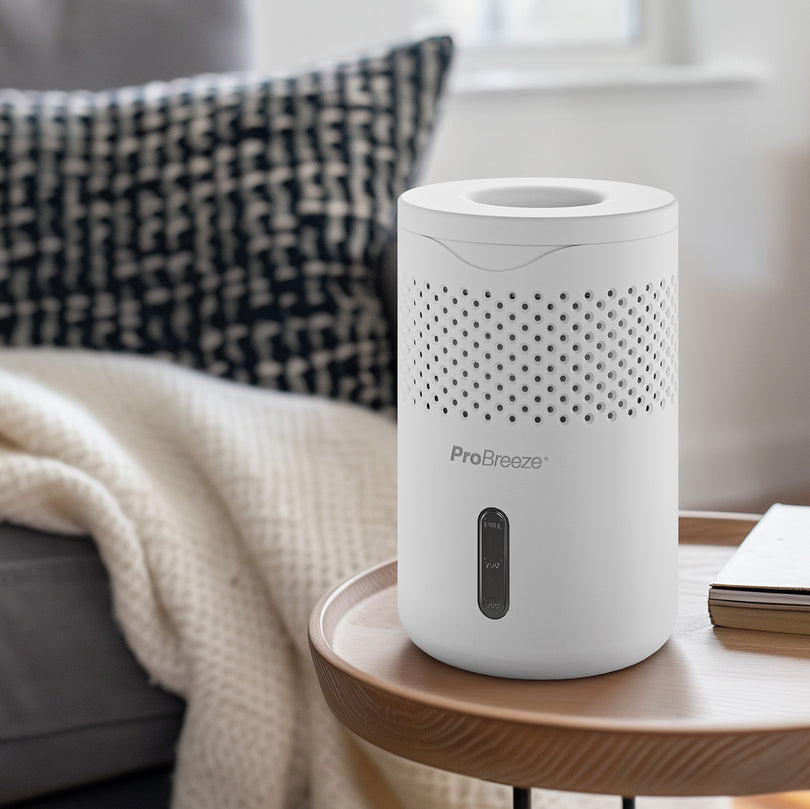
Start where you store the most: bedrooms with large wardrobes, spare rooms, under-stairs cupboards, or utility areas. Running a compact dehumidifier consistently during humid spells will keep those spaces dry and smelling fresh.
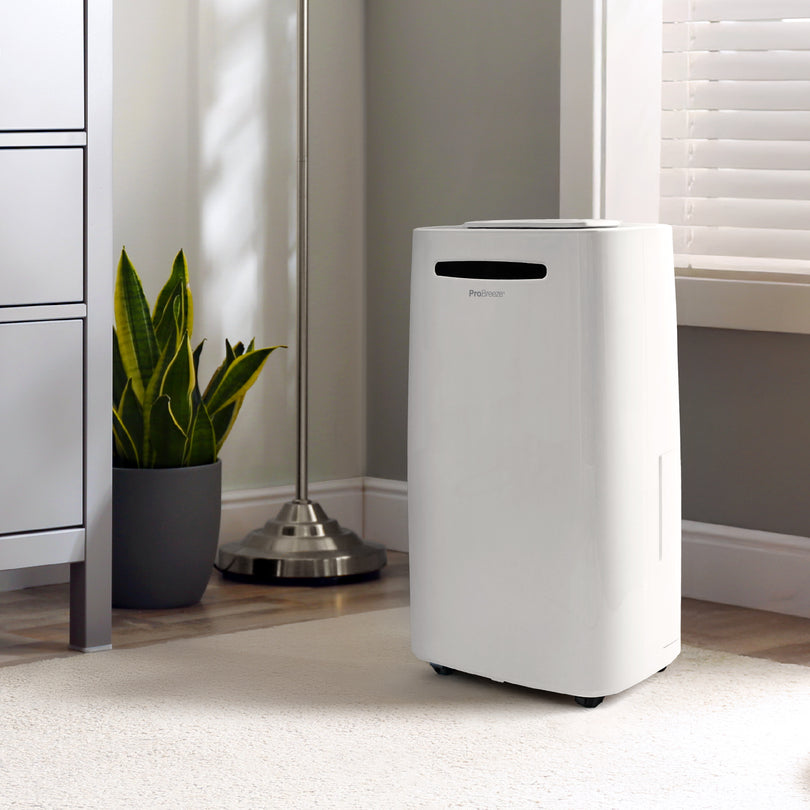
A dehumidifier removes excess moisture from the air, supporting fresher wardrobes, drier storage, and a home that feels calmer and more comfortable. Explore our home dehumidifiers to find the right model for your space, or read our guide to what is a dehumidifier.


OmniDry 20L Quiet Dehumidifier with Laundry Mode and Smart App Control
856,00 zł
992,00 zł


