The quick answer
- Start with the job. A 500 ml or 1.5 L mini suits a small, mildly damp space. For regular condensation across a heated room, start with a compact compressor model.
- Read both litre figures. The tank holds the water you collect. The daily extraction rating tells you how much water the machine can take out of the air in its test conditions.
- Check the temperature. A small model designed for a warm room can collect very little in a cold garage. Measure where the appliance will actually be used.
- Compare the four models by tank, extraction and power.

A mini dehumidifier can be enough for mild damp in a small space, such as a storage area or a compact room with occasional moisture. If windows are wet most mornings, washing regularly dries indoors or several surfaces feel damp, choose for the room rather than the smallest appliance you can fit. This guide compares two mini models with a 6 L compact compressor and an OmniDry 12L.
1 When is a mini dehumidifier enough?
Think about where the moisture starts and how often it comes back. An enclosed storage area with a slight musty smell is a smaller job than a spare room with damp walls or a clothes airer full of washing. If the issue is local and occasional, a mini gives you a compact way to collect some of the moisture already in the air.
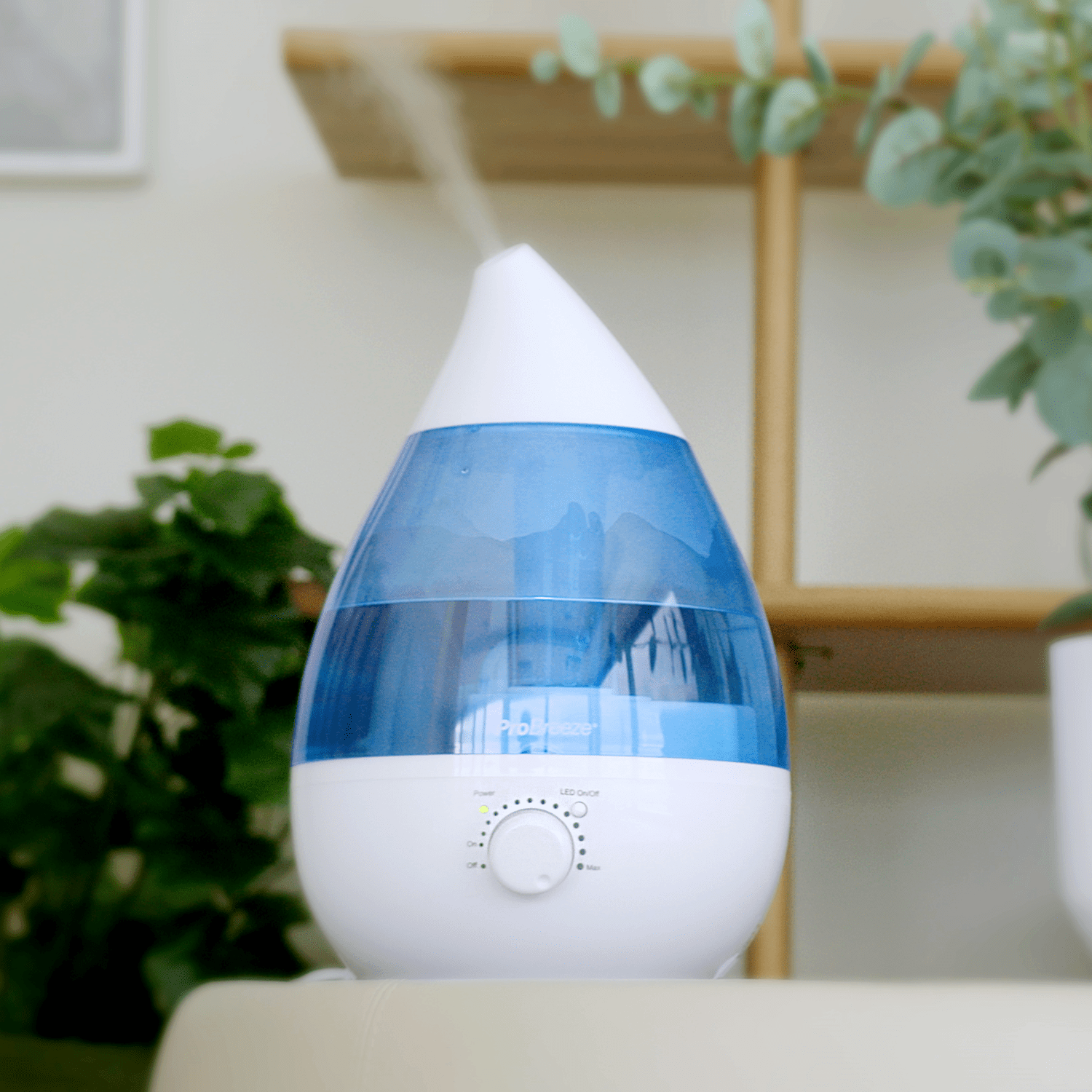
Most minis use a Peltier module. This is a small electrical cooler that chills a surface, so moisture from passing air condenses and drips into the tank. The design suits a small appliance with modest water collection. A compressor model uses a refrigeration circuit and can collect substantially more water. Our guide to dehumidifier types explains the trade-offs and why different designs suit different temperatures.
If there is a spreading wet patch, a leak or moisture coming through a wall, find and fix the cause. A unit can remove water vapour from the air while the underlying problem is dealt with.
2 500 ml mini, 1.5 L mini, 6 L compact or 12 L compressor?
For the two minis in this table, the number in the name is the tank size. For the two compressors, it is the maximum daily extraction. Comparing the two columns makes the difference clear.
| Model | Type | Tank | Maximum extraction per day | Power used in cost example |
|---|---|---|---|---|
| 500 ml Mini | Peltier | 500 ml | 250 ml | About 23 W |
| 1.5 L Mini | Peltier | 1.5 L | 500 ml | 40 W |
| 6 L Compact | Compressor | 2 L | 6 L | 150 W |
| OmniDry 12L | Compressor | 2 L | 12 L | 200 W |
The two mini manuals give extraction at 30°C and 80% relative humidity. Colder or drier air can yield less water. The compressor figures are the models’ published maxima. Treat them as guides to capacity rather than forecasts for the same room.
A larger tank means more room for water before you empty it. Its size alone tells you little about the rate of collection. Both minis stop automatically when full, and you can use the tank as one clue alongside the room’s humidity reading and signs such as condensation.
3 Check the room before you choose
- Look at the size of the affected area. A small storage area with occasional damp is a reasonable starting point for a mini. If the whole room feels damp or several windows collect water, compare the compact compressors.
- Measure under the conditions that matter. A hygrometer measures the humidity in the air. Record the temperature and humidity where the problem occurs, at similar times across several days. A single reading after opening a window or drying a load of washing can miss the pattern.
- Check what keeps adding moisture. Wet washing, a repeat leak and regular condensation each call for a different response. A low collection rate can be enough when the moisture is limited to one area. When the source continues to add water, the appliance needs enough extraction to make a difference.
The 500 ml Mini’s published working range is 15–30°C, and the 1.5 L Mini’s is 15–35°C. The 6 L Compact has a published range of 5–32°C. Performance can fall well before the low end of a model’s working range. If the space is usually cold, use our guide to dehumidifiers for cold rooms and garages to see when a desiccant model is a better fit.
4 When should you move up to a compressor?
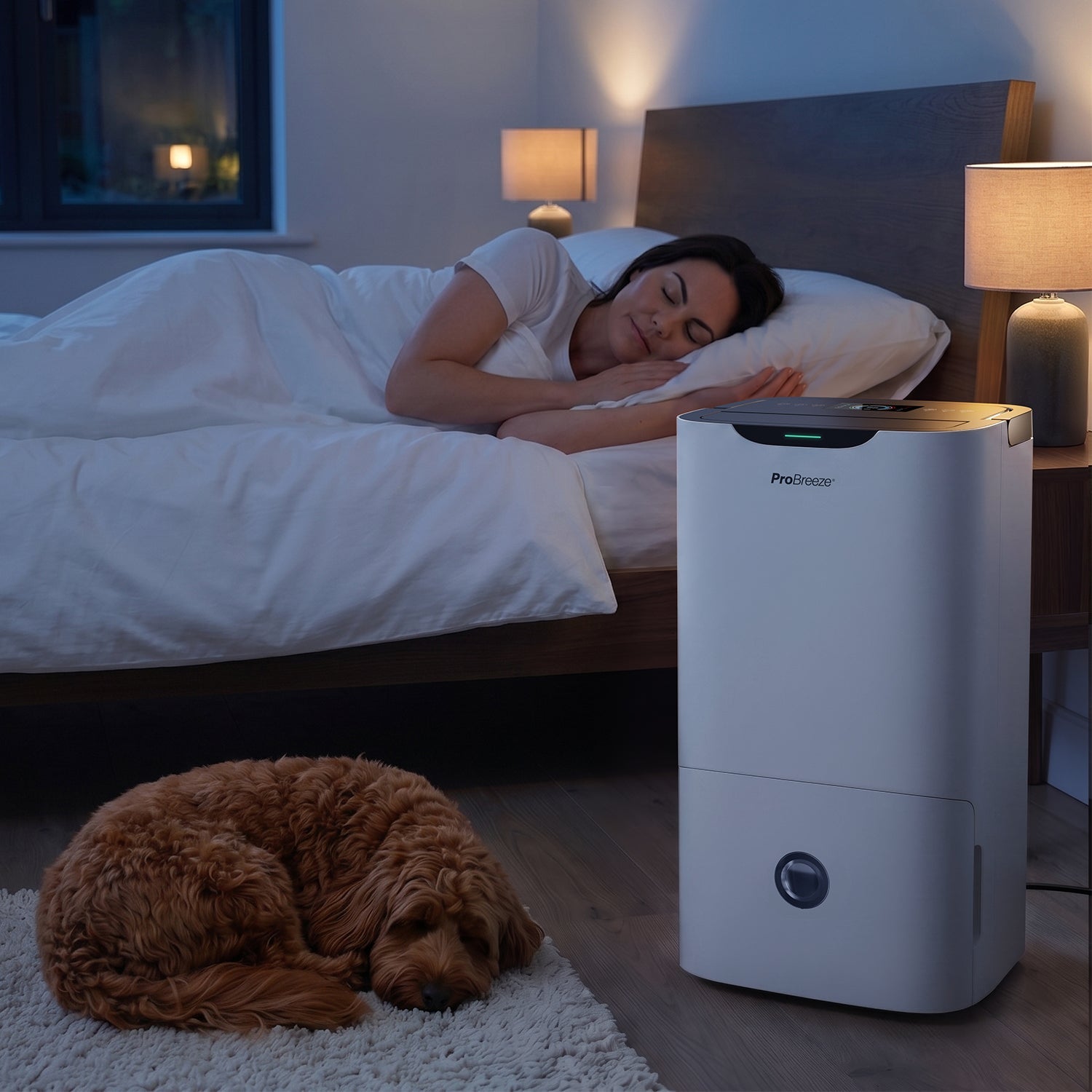
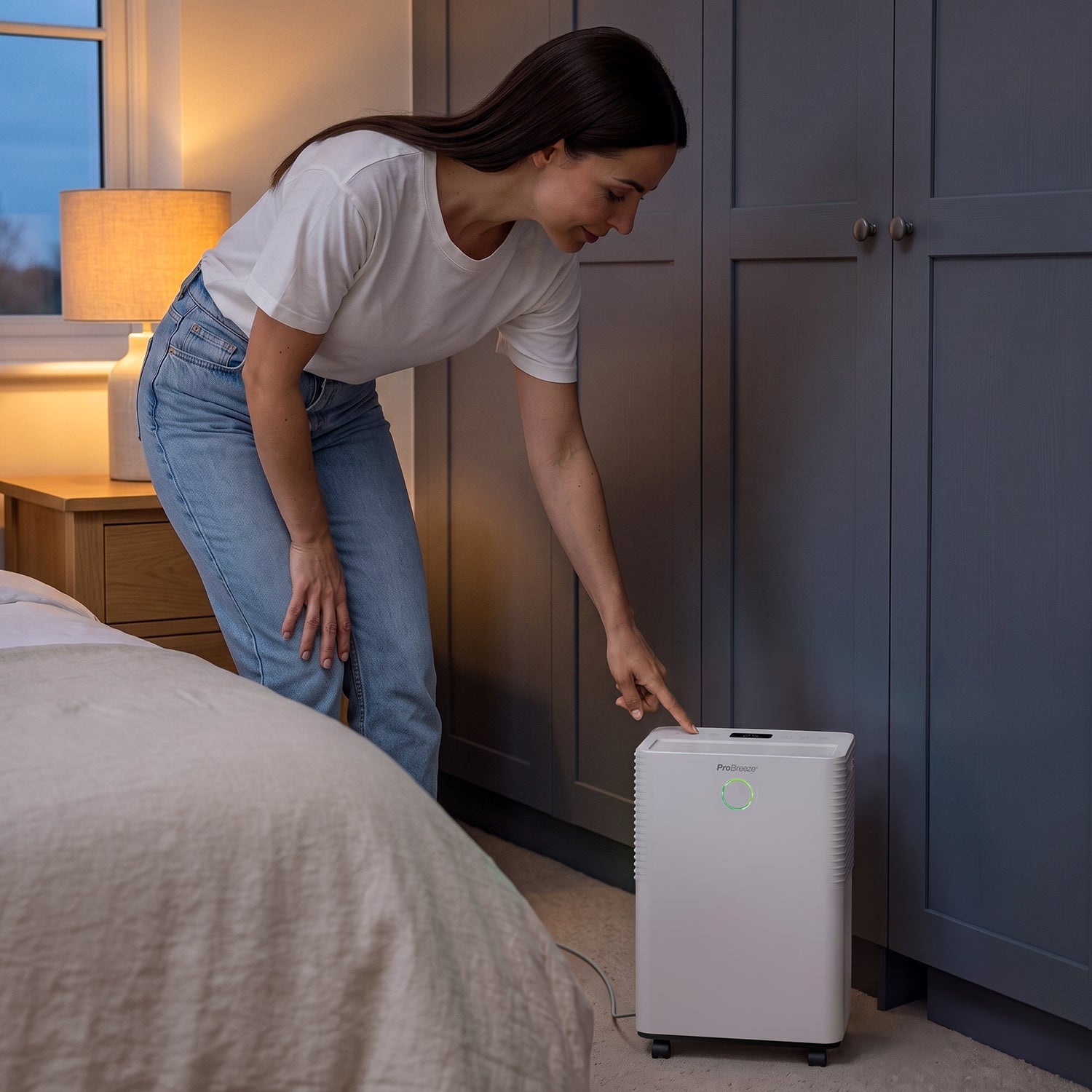
Try the 6 L Compact as a starting point for a small heated room with recurring condensation. It is a compact compressor model with a humidity display, a 2 L tank and a continuous drain connection. Follow its manual when using the drain. The daily extraction capacity stays the same whichever way you collect the water.
Consider the OmniDry 12L when moisture returns quickly, the job is across more of the room or you need extra extraction for occasional laundry. If an indoor airer is in use most days, work out how much room you can dedicate to the load and see our guide to drying clothes indoors with a dehumidifier. Choose your extraction capacity around the task you do most often.
When you compare results, use readings taken in the same room at similar times. Look at whether condensation returns as quickly and whether the humidity reading trends down. The amount of water in the tank varies with the conditions, so it is one part of the check.
5 How much does a mini dehumidifier cost to run?
Multiply the power in kilowatts by the time in hours and your electricity price per kWh. At the rounded Eurostat EU household average of €0.28/kWh in the first half of 2026, the 40 W mini uses 0.04 kWh over one hour at that power, for about 1.1 cents. Eight hours at the same power would cost about €0.09. Use the price on your bill if you want an estimate for your home.
| Model | Cost per hour | Cost over eight hours |
|---|---|---|
| 500 ml Mini | 0.6 cents | €0.05 |
| 1.5 L Mini | 1.1 cents | €0.09 |
| 6 L Compact | 4.2 cents | €0.34 |
| OmniDry 12L | 5.6 cents | €0.45 |
These examples use the power figures above for the full period. Actual use varies with the settings, temperature and operating cycles. Adjust the hours to match your use. See our dehumidifier running-cost guide for more worked examples.
6 Our small dehumidifier picks
Pick the 500 ml Mini for a small, mildly damp spot. Choose the 1.5 L Mini when you want more room in the tank and a higher extraction rating in the same type of appliance. Move up to the 6 L Compact for regular moisture across a small heated room, or compare the OmniDry 12L when more extraction will help.


7 Frequently asked questions
Is a 500 ml mini dehumidifier big enough for a bedroom?
It can help with a small pocket of mild damp. For condensation that returns across the bedroom, measure the humidity over several days and start by comparing compact compressor models.
Does a 1.5 L mini take 1.5 litres out of the air each day?
On the Pro Breeze 1.5 L Mini, the tank holds 1.5 litres. The maximum daily extraction quoted in its manual is approximately 500 ml under its test conditions.
Can a mini help with the smell in a cupboard?
With a suitable setup, a mini can help remove moisture that contributes to a musty smell. Check for damp stored items or moisture coming from the wall, and follow the model’s instructions when deciding where to use it.
Once you know where the moisture is coming from and how often it returns, compare Pro Breeze small dehumidifiers to find the right size for the job.
Model figures come from the Pro Breeze product specifications and the PB-02 manual, PB-03 manual and PB-D-26-EU manual. The OmniDry 12L power figure comes from the rating label. Electricity prices come from Eurostat household electricity prices (nrg_pc_204).
Last reviewed 19 November 2026.